
You should know that certain food items from China can be harmful to your health. For one, researchers have learned about plastic rice. China is a big exporter of different kinds of goods. Sadly, they sometimes use techniques that will speed up the production chain or sell at a better price. This is not good when it comes to the quality of the products! There is also produce that suffers from all the pesticides and chemicals used. Avoid eating these 20+ foods imported from China.
Watermelon
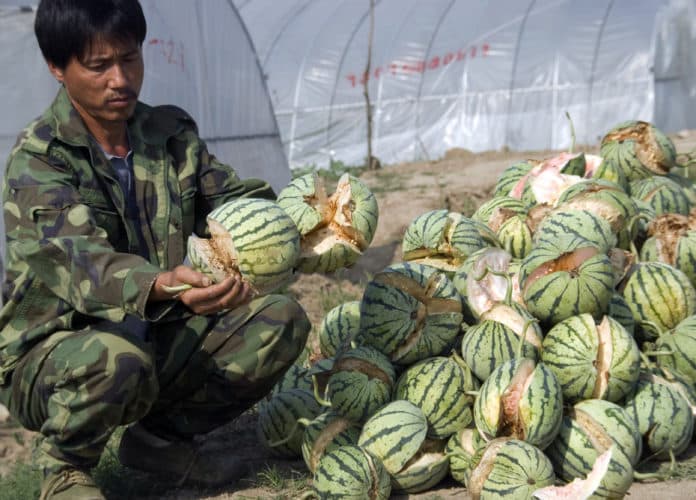
In certain parts of China, they use a powerful pesticide. It has even made harvested watermelons explode since they grew too quickly. The pesticide also made them very toxic. We highly recommend buying local to ensure that your produce is fresh and safe for consumption.
Watermelon
Apple Juice
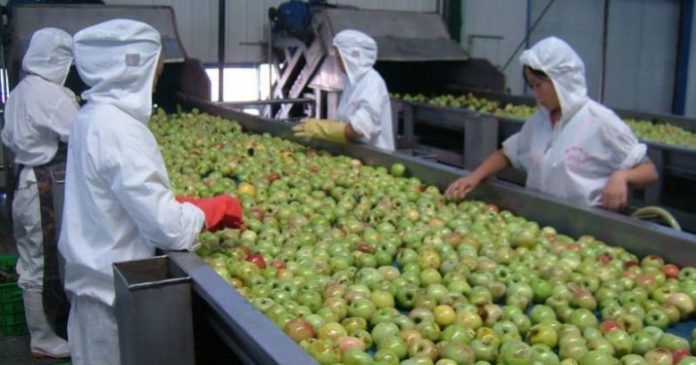
China is among the biggest apple juice producers in the world. However, it also has the most pesticides in use. Be careful, the apple juice they sell sometimes comes with sugar as well as toxic pesticides.
Apple Juice
Cod
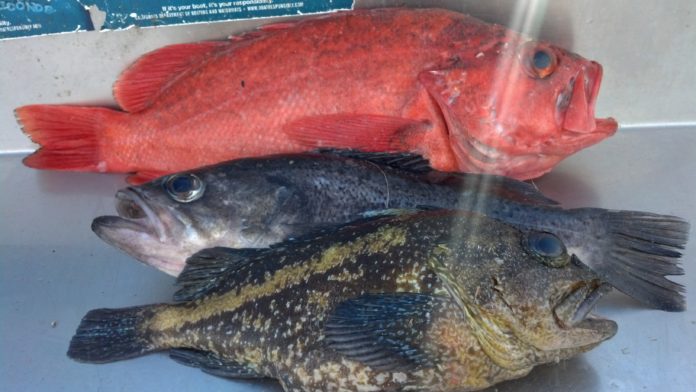
Cod farming is not all that better than tilapia farming. The fish swim in water full of garbage and eat whatever they find. It goes without saying that eating them would not be good for your health.
Cod
Rice Noodles
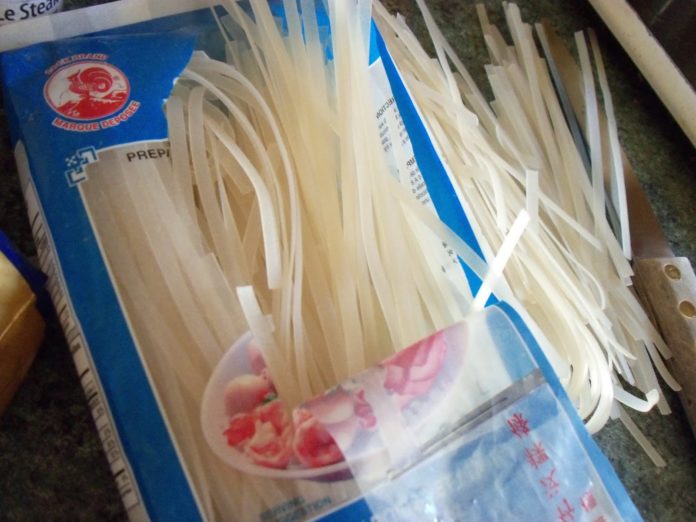
Sulfur dioxide is sometimes used to make noodles look fresh. While it might be more pleasant to see, keep in mind that Sulphur dioxide is not only toxic but can cause cancer as well. Yikes.
Rice Noodles
Lamb
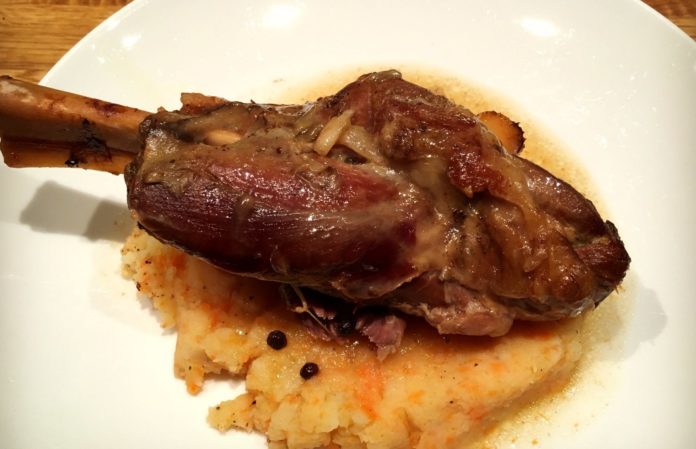
In early 2013, a Radio-Canada article has reported that there were sellers selling rats as lambs! The police went on to arrest 900 people involved in this incident. They also seized 20,000 tons of rat meat.
Lamb
Beef
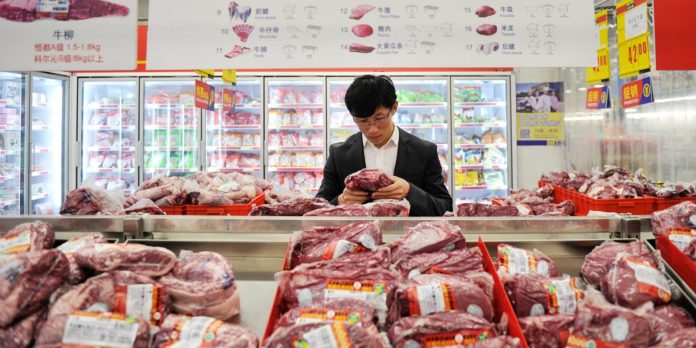
A website called Voyage-Chine said that beef is double the price of pork in China. In an effort to save money, a lot of companies just add borax-based food additives to the pork so that it looks like beef. The food additive is a strong insecticide that has no business being present in your digestive tract.
Beef
Garlic
They scatter chemical products on garlic fields before the seasoning reaches your plates. It is a much better idea to opt for Canadian garlic instead of Chinese garlic. Trust us, the difference is very big.

Garlic
Mushrooms
Food inspectors have, time and again, discovered contaminated mushrooms that come from China. On your next grocery trip, it would be wise to check where they come from before you put them in the cart.

Mushrooms
Plastic Rice
We mentioned plastic rice at the beginning, but what is it really? Well, the most important thing you need to know is that its base is made up of potatoes and synthetic resin. It can give you cancer!

Plastic Rice
Milk
Milk made of melanin caused the deaths of six kids as well as the intoxication of 300,000 others. About 230 tons of milk were trafficked to make the protein count go up. Melanin is very bad for your kidneys.

Milk
Eggs
What do you get when you have a mixture of baking powder, calcium carbonate, food coloring, and a zest of paraffin? You can expect an egg of sorts in a matter of hours. Well, it is going to look just like an egg. However, it will also increase your risk of serious food poisoning.

Eggs
Black Pepper
The famous Chinese black pepper is not always what it seems. Sometimes, it is nothing more than mud! The lack of control and rules in the food security system makes it hard to figure out if it is the real thing.

Black Pepper
Wine
Chinese wine does not only have grapes in it. There might also be sugar, water, artificial flavor, dyes, and more. Some consumers got heart attacks, sudden migraines, and a higher risk of cancer after they drank wine that was “Made in China.”

Wine
Industrial-Style Salt
You should never take industrial-style salt since it is not made for human consumption. However, there was an incident in which this kind of salt was being sold as table salt! It caused a lot of health issues.

Industrial-Style Salt
Oil
A Chinese agri-food company decided to reuse olive oil that came from restaurants. They recycled it by filtering it and reselling it. Voyage-Chine said that over 2,000 tons of this olive oil got sold to restaurants.

Oil
Tilapia
Tilapia is highly popular in China. This fish gets farmed just like cod, but it is one of the worst fish you will find on the market. It is toxic since it eats everything, which includes pesticides and toxins in the water.

Tilapia
Chicken
Avian influenza, as well as other diseases that can be traced to chickens, are not uncommon in this part of the globe. Chickens in China have often failed when it comes to meeting health requirements.

Chicken
Peas
In 2005, experts discovered fake peas that were sold as canned peas. You should be careful at the canned veggies aisle in the grocery since these had artificial coloring, which is bad for your health.

Peas
Tea
Voyage-Chine also said that there is now pesticide tea on the Chinese market. As the biggest tea producer on the planet, it is unfortunate that the country also has the most pesticides in tea bags. Around 29 toxic products were found in different brands of tea. The list even includes Lipton! But don’t worry since that brand was not being exported.

Tea
Corn
In China, the corn is filled with sodium cyclamate to add sweetness to the product and in order to keep the yellow color. This toxin causes liver damage and other major health problems. It is banned in the U.S. but legal in over 170 countries around the world.

Corn
Green Peas/Soybeans
In China, green peas and soybeans are often just snow peas dyed with toxic sodium metabisulfite and food coloring. During an investigation in 2005, food inspectors found fake, artificially colored peas in thousands of cans.

Green Peas/Soybeans
Cabbage
In order for Chinese farmers to keep cabbage looking fresh during the summer months, they spray them with an extremely toxic formalin solution. This additive is so toxic, it’s best to steer clear of cabbage altogether.

Cabbage
Sweet Potato Noodles
Sweet potato noodles were once safe, but not anymore. A number of factories in Guandong Province were closed after inspectors uncovered that industrial dyes and paraffin wax were used to make the product.

Sweet Potato Noodles
Baby Formula
Back in 2015, both cheap and defective baby formulas were repackaged and resold under recognizable brand names. The public was only alerted a year after the ring was arrested by police. Those poor babies.

Baby Formula
Soy Sauce
It was uncovered in 2016 that many soy sauces in China contain a carcinogen called 4-methylimidazole. Manufacturers claimed that the dose was minimal, but because of the daily use, the Hong Kong Consumer Council took things quite seriously.

Soy Sauce
Tapioca Pearls
Tapioca pearls are another food product to steer clear of in China. Researchers found aspolychlorinated biphenyls in the product, a chemical known to affect the immune system, reproductive system, nervous system, endocrine system, and cause cancer.

Tapioca Pearls
Tofu
The food safety inspectors of Hunan Province uncovered some pretty alarming news in 2012. Tofu manufacturers were caught using iron sulfate and feces in the product to speed up the ferment process.

Tofu
Ginger
Ginger farms in Weifang were under investigation in 2013 by the China Central Television (CCTV). The pesticide aldicarb was used on ginger, mind you, it’s only approved to be used on peanuts, roses, cotton, and sweet potatoes, and it was applied 3-6x more than the recommended level.

Ginger
Ginseng
Ginseng in 9 cities in China and 1 in Hong Kong tested positive for pesticides. The World Health Organization deems these pesticide cocktails “extremely hazardous”.

Ginseng
Canned Peaches
Canned peaches from China were tested by Australia’s National Measurement Institute in 2014. After in-depth investigations, the organization found that the food contained twice the amount of lead allowed.

Canned Peaches
Tuna
Many of China’s food processors and fish farms reside close to industrialized areas. In these locations, the air, water, and soil are all contaminated. The U.S. Department of Agriculture conducted an investigation and found that, “in these farms, it is common practice to let livestock and poultry roam freely in fields and to spread livestock and poultry waste on fields or use it as fish feed.”

Tuna
Frozen Spinach
In Japan and China, safety inspection officials found extremely high levels of pesticides in frozen spinach. If you want to stay healthy, steer clear of spinach from China.

Frozen Spinach
Shrimp
Shrimp imported from China and other Asian countries are farmed in unsanitary and cramped conditions. To steer clear of illness, farmers use chemicals and antibiotics to keep the shrimp alive and well. The shrimp are loaded with enrofloxacin, chloramphenicol, and carcinogen nitrofurazone, all illegal in the U.S.

Shrimp
Pet Food
Pet food is not the most healthy no matter where it’s made. But, China outdoes other countries. Dog food in China is made with a substance used to produce various plastics: melamine. Dogs have sensitive stomachs; the addition of this chemical in their food can often cause death.

Pet Food
Walnuts Stuffed With Cement
Markets in Zhengzhou City, China were caught selling walnuts with cement inside. The vendors were discovered emptying the nuts, selling them for a high price and then filling the shells with paper-covered cement. The “nuts” were also sold, making the companies another profit.

Walnuts Stuffed With Cement
Honey
China is not known for honey, at least the good kind. In Jinan Province, for example, there are two types of honey and 70% of it is fake. There are two types of fake honey: adultered honey and fake honey. The first is made with honey, sugar, beetroot and rice syrup. The second looks like honey but is made of water, coloring, sugar, and alum.

Honey
Potatoes
In China, potatoes are bought cheaply and often disguised as Da Lat potatoes. They are covered with red dust to mimic the well-known brand and sell for 3-5 times higher than the normal Chinese potatoes.

Potatoes
Baby Milk Powder
This is definitely the worst fake product ever produced in China. 53,000 Chinese babies got sick after drinking baby milk powder laced with melamine. The chemical was added to the formula to increase the milk’s protein levels. Melamine is very similar to cyanide.

Baby Milk Powder
Prawns
Prawns in China are injected with gelatin to appear fresher. Defrosting prawns makes them shrivel up, so gelatin was added to make them look tastier. The extra weight of the jelly also drove up the price 20-30%.

Prawns
Bottled Water
Tap water is bottled and then packaged with legitimate seals and labels. These “tapped” bottles contain many harmful types of fungi as well as E.coli. Producing this fake water costs half the price treated water does.

Bottled Water
Steam Bun
Steam buns are often made using cardboard and pork fat. If that wasn’t bad enough, the cardboard was softened using harmful chemicals. No wonder customers complained of the lack of flavor.

Steam Bun
Rat Meat
Rat meat is produced in really unsanitary conditions and is often passed off as beef. The orchestrators behind this stunt also inject the meat with water to increase the weight and process the meat with banned chemicals.

Rat Meat
Pickled Vegetables
Pickled vegetables in China have an abundance of chemical additives. The chemical content label on the packaging is also inaccurate. Before shipment, factory workers spray pesticides with high levels of DDVP onto the vegetables and use industrial-grade salt to achieve the pickled effect.

Pickled Vegetables
Hot Pot Soup
Hot Pot soup is often laced with ethyl maltol, capsicum oleoresin, and Disodium 5’-ribonucleotide. Antimalarial drugs are also added to the soup to cover up the rotten meat’s side effects.

Hot Pot
Companies That We Believed To Be American, But They Are Really Not!
Many of the world’s most well-known companies began, from Starbucks to Apple, in the United States. These businesses began as start-ups before becoming industry titans. On the other hand, the business world is never as simple as it appears. Even though a company is created in the United States, staying there indefinitely is unnecessary. You may be astonished to learn that many of these companies are no longer American. Foreign investment benefits a wide range of enterprises, including IBM, Ben & Jerry’s, and even Holiday Inn. Many firms would have been forced to close without acting quickly.
Companies That We Believed To Be American, But They Are Really Not!
General Electric
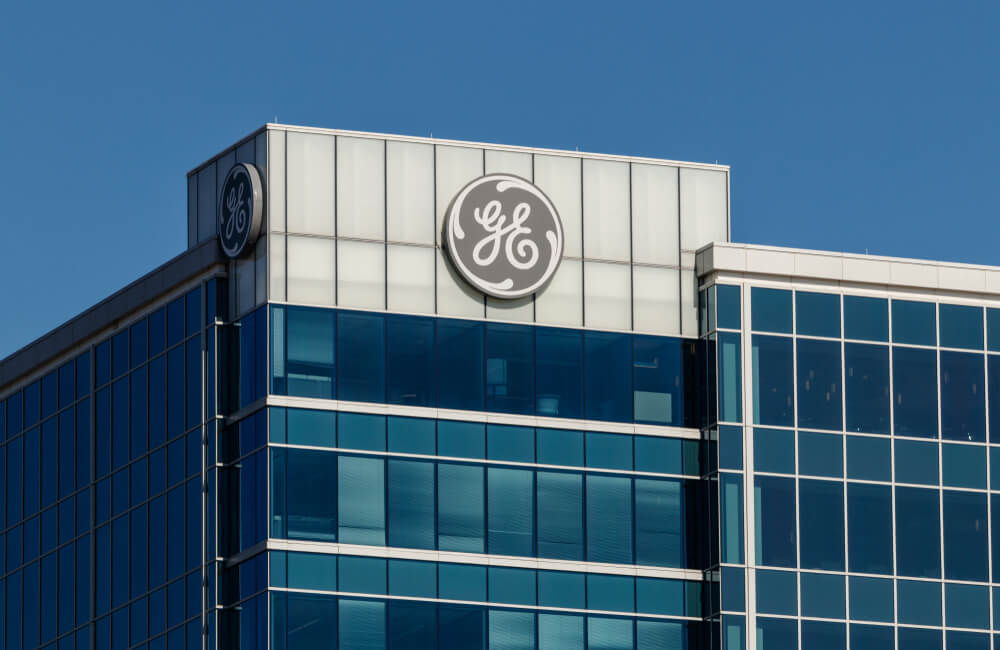
General Electric was a young company when it began operations in 1982. Regardless, its popularity has grown since then. Since then, it has grown into a variety of other industries, including healthcare, aviation, venture capital, and even renewable energy. This is one of those companies that makes you feel like you’re shopping at a local store because of the “Made in America” stamp on the merchandise. However, Haier, a Chinese conglomerate, has been the company’s principal shareholder since 2016. To put this in context, acquiring GE costs $5.4 billion. While the items are still built in the US, the decisions are still made in China.
General Electric
AMC
AMC theaters have provided wonderful and easygoing moviegoing experiences for nearly a century. This company expanded to become the world’s largest movie chain due to its success. Despite the common misconception that the initials AMC stood for American Multi-Cinema, the principal shareholder from 2012 to 2018 was a Chinese firm called Dalian Wanda Group. The company’s prospects improved slightly when Silver Lake Partners made a $600 million investment in it in 2018. This does not change the fact that Wanda Group retains ultimate authority over executive-level hires.
AMC
Budweiser
Some argue that you can’t get more American than this when it comes to beer. Although it was started in Missouri and the container still says “America,” this company is no longer American. InBev, the Belgian beer behemoth, paid $52 billion for this company in 2008. While it once had a strong American identity, it is a very different place now and in the future. Whatever the case may be, we’re glad the parent firm kept control of the formula. It still has its original flavor!
Budweiser
Ben & Jerry’s
This ice cream company has earned a reputation as a cultural icon throughout the years. Ben & Jerry’s ice cream is so well-known in the United States that it has appeared in numerous television shows and films. Jerry Greenfield and Ben Cohen, two Vermont friends, founded the ice cream business in 1978. In 2000, Unilever paid $326 million for it, and everything changed. The London-based company outbid two other possible bids for the ice cream producer. Unilever’s portfolio grew due to this activity, demonstrating that it was a wise investment.
Ben & Jerry’s
Burger King
When most people think of fast food, they think of the United States. Burger King is one of many franchises that are independently owned and operated. David Egerton and James McLamore launched the first “Insta Burger King” in Miami, Florida, in 1954, with the help of a business partner. They had no clue it would become a worldwide brand. After ten years, they decided to leave the firm. It was afterwards held by a number of different people. It is currently owned by Restaurant Brands International, a Canadian corporation. 3G Capital of New York continues to provide financial support to BK.
Burger King
Trader Joe’s
Convenience stores have always been a very competitive industry with many businesses. This is particularly true in densely populated areas. In 1967, a shopkeeper named Joe Coulombe drew consumers away from a 7-Eleven in Monrovia, California, by stocking uncommon and exotic items. His strategy had been effective. Despite the fact that the company had become a household name, he sold it in 1979. Theo Albrecht, the founder of the large German grocery chain Aldi Nord, has obtained majority ownership of the company. As a result of his family’s wealth, he is estimated to be worth roughly $16 billion. Whoa.
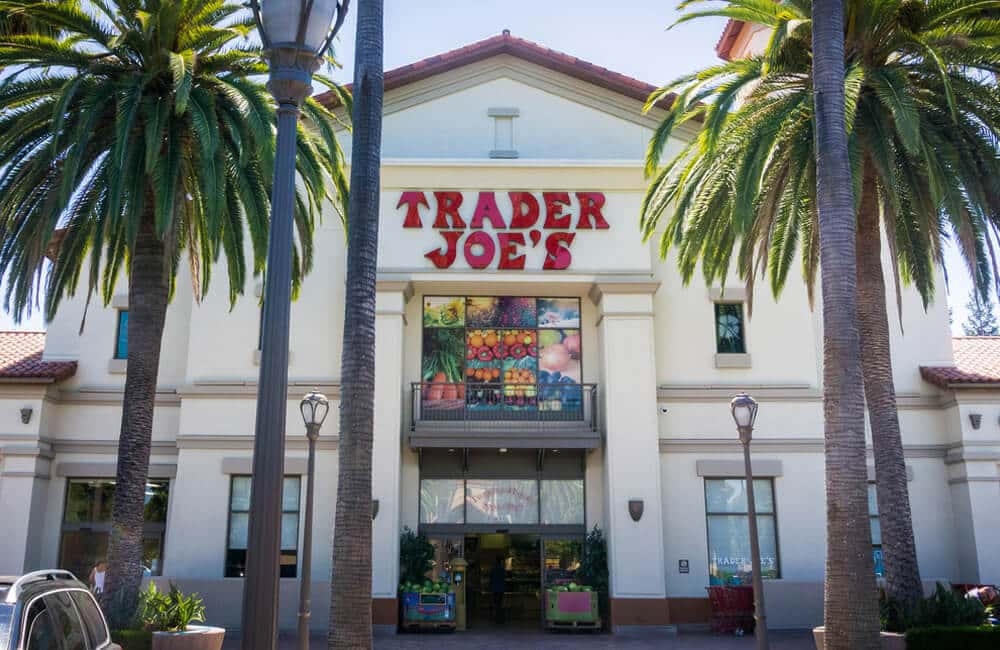
Trader Joe’s
Lucky Strike
According to my research, Lucky Strike is the most popular cigarette brand in the United States. (commonly known as Luckies). People smoked the product in the 1930s and 1940s because of the company’s great marketing strategy at the time. As a result, the brand shot to the top of the sales rankings in the cigarette sector. British American Tobacco and British American Tobacco had their first business agreement in 1976. It purchased the American Tobacco Company and two of its subsidiaries, Lucky Strike and Pall Mall, in 1994. Despite numerous changes, it is still regarded as a particularly American brand. This is because it is well-known in popular culture. This corporation was mentioned multiple times in Mad Men.
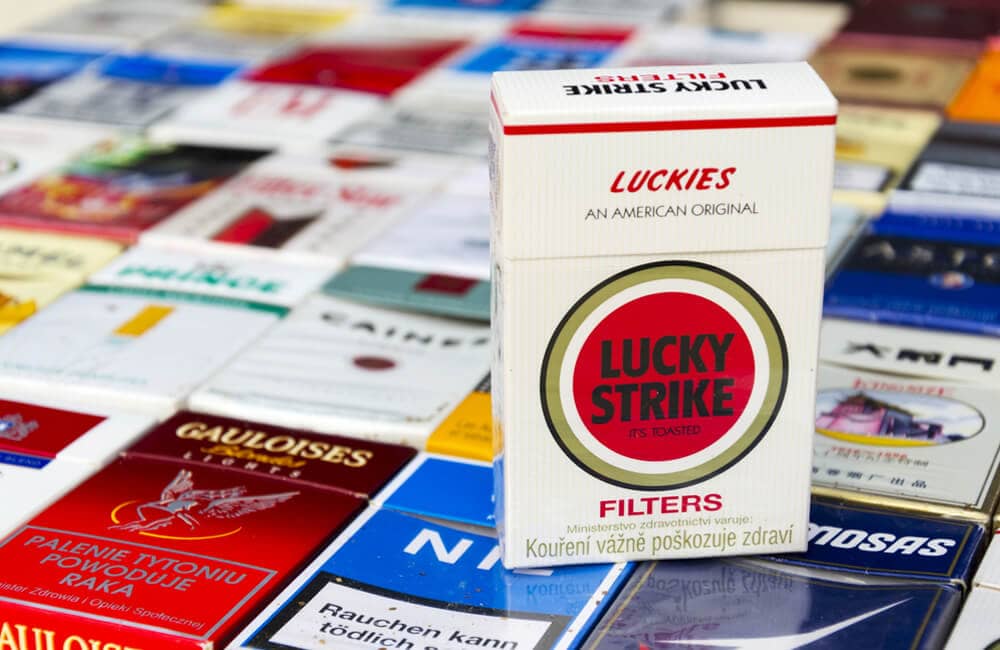
Lucky Strike
American Apparel
People were drawn to American Apparel by the phrase “Made in the USA — sweatshop-free.” It was a brilliant concept to encourage ethical customers to support the Los Angeles brand. The company thrived brilliantly until 2015 but has since struggled to regain its footing. Gildan Activewear, a Canadian multinational, bought the name and manufacturing equipment rights for $88 million two years later, salvaging the company. We’re not sure if American Apparel would still exist today if this hadn’t happened. If you adopt a literal view, the company’s headquarters will remain in the Americas.
American Apparel
7-Eleven
Every successful company started with a visionary founder. 7-Eleven was no different. While working at Southland Ice in 1927, Jefferson Green, a regular Joe, saw an opportunity to expand his product range. He added to bread, eggs, and milk to his product list. He was a good person. That business plan worked, and his Dallas-based firm grew even more once he changed the name to 7-Eleven to reflect the store’s operational hours. It is still a fixture of American popular culture decades later. The economy faced a rough time when it fell in 1987. This is where Ito-Yokado, a Japanese business, stepped in. That is why Seven & I Holdings purchased it.
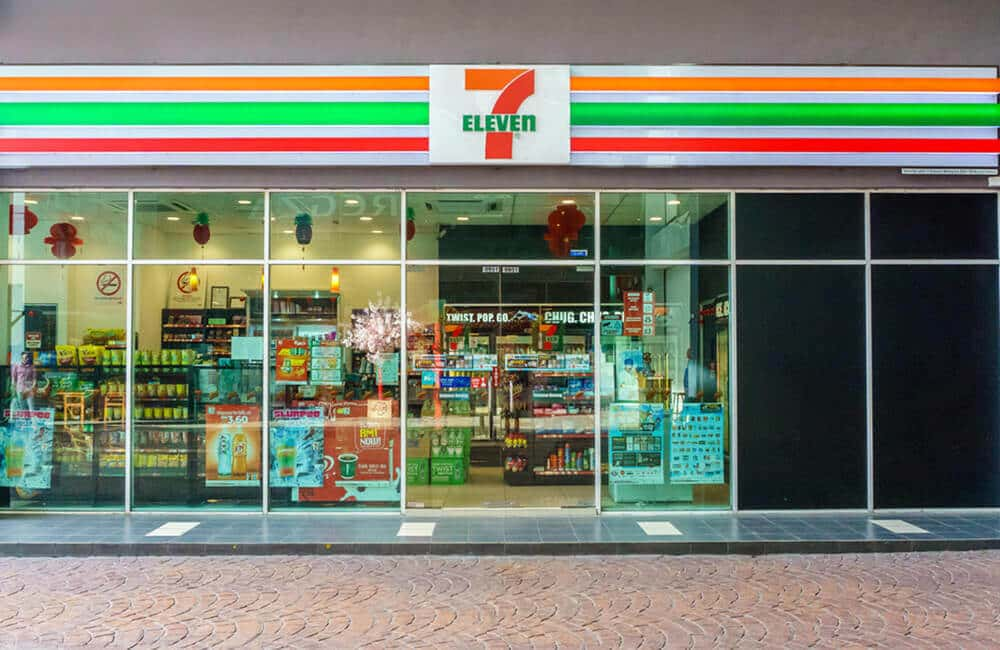
7 Eleven
Sunglass Hut
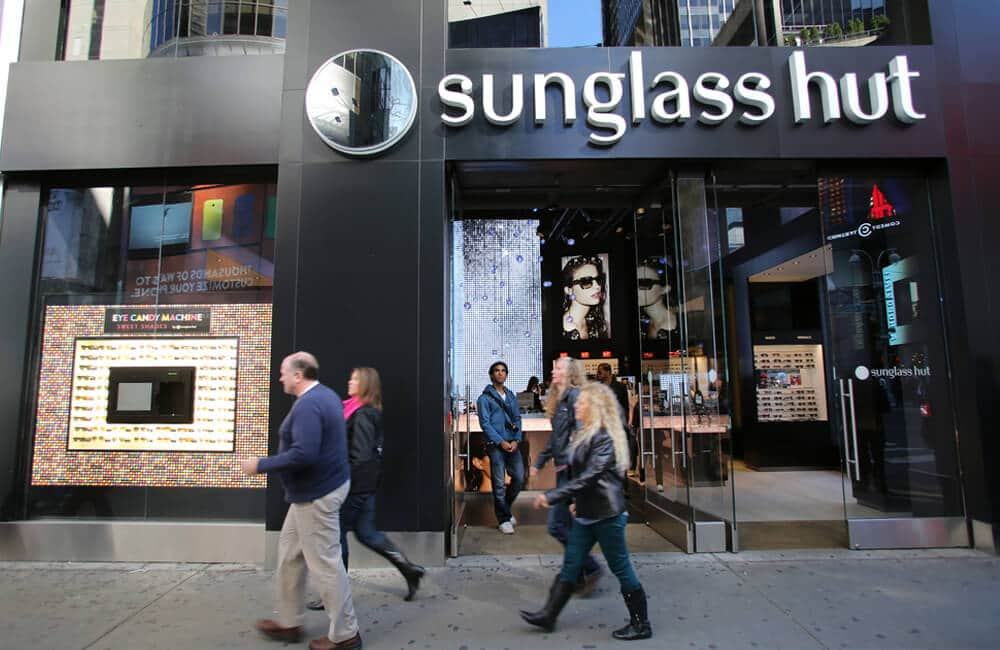
Sunglass Hut is a popular shopping place for many eyewear enthusiasts in the United States. The company sells both colorful and clear glasses. There is representation from South Africa, India, the United Kingdom, and other countries. Despite this, the company was founded by Sanford Ziff, an optometrist from Miami, Florida. The company was sold in 1986, five years after it opened its 100th store. Luxottica purchased it in 2001 for $653 million. When I was a kid, there were about 1,300 stores spread out across the city. Almost 2,000 sites are currently operational across the world.
Sunglass Hut
Motorola
Motorola, well-recognized for its electronic goods, was founded in Schaumburg, Illinois, long before mobile phones existed. Following its debut in 1928, it grew in popularity gradually, reaching a pinnacle of success with flip phones and other devices. Google eventually bought it, only for Lenovo, a Chinese conglomerate, to buy it back in 2014. Google lost money on this transaction since it paid $12 billion for the company two years before selling it for $2.9 billion. Google’s willingness to lose $10 billion on this transaction remains a puzzle.

Motorola
Ironman
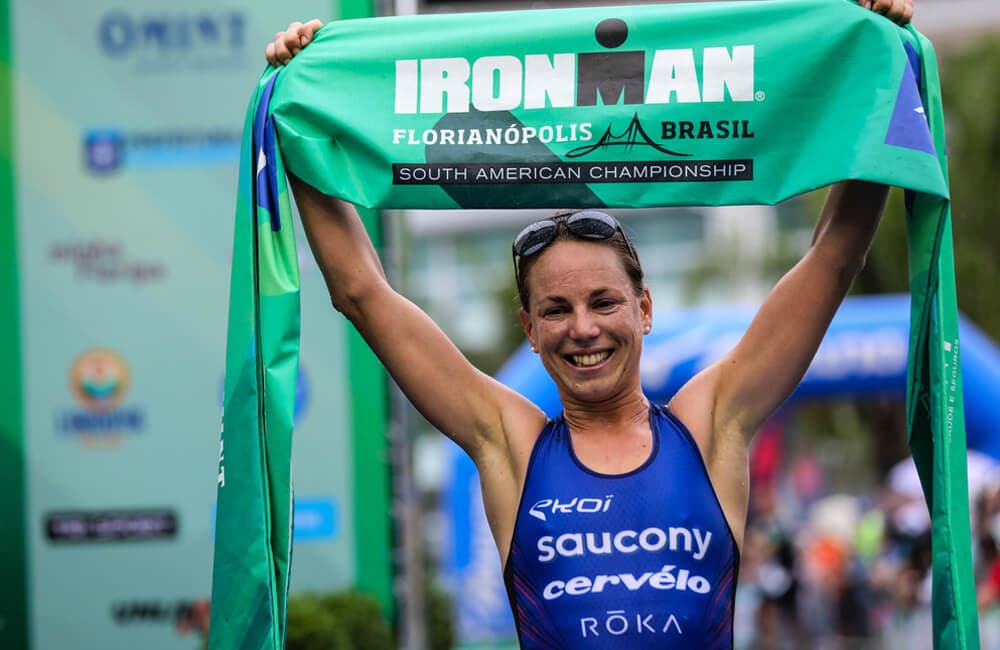
The Hawaii Triathlon Corporation developed the Ironman competition. Dr. James P. Gills paid $3 million for it in 1990. It has since grown into a much larger corporation. In 2008, Providence Equity Securities paid $85 million to the company. Seven years later, the Dalian Wanda Group paid $650 million for it! According to rumors, in order to consummate the sale, the Chinese company was compelled to accept a portion of the prior owner’s debt. Wanda was happy with the 40% year-over-year net growth, despite the company being previously profitable before its current form.
Ironman
Forbes
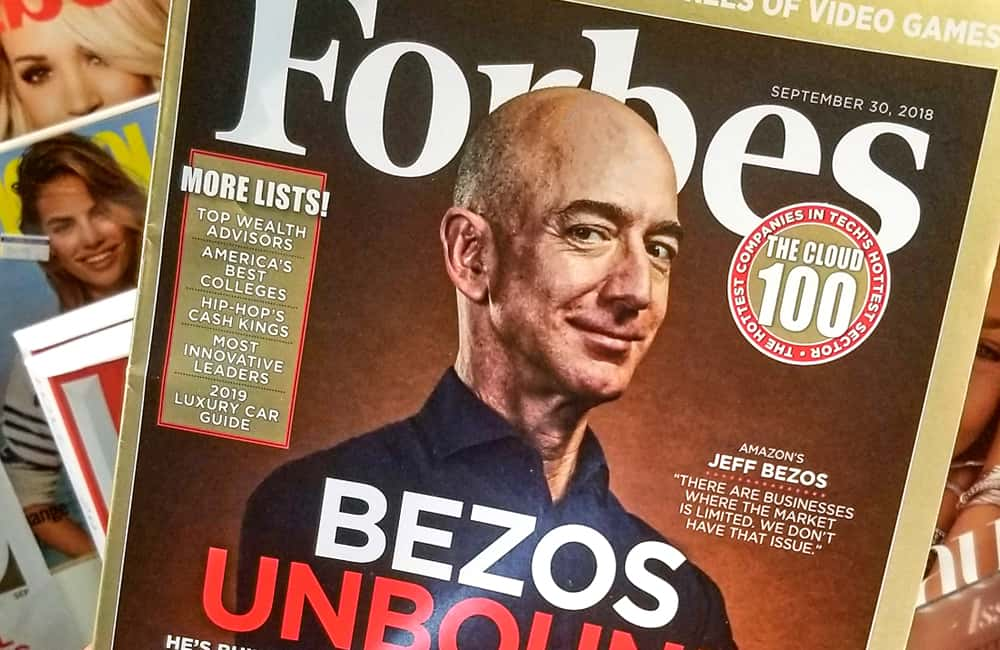
In September of that year, Forbes released its debut issue. Isn’t it amazing that 103 years have passed since then? Since it has earned a reputation as a reliable source of credible celebrity and business rankings. The World’s 100 Most Powerful Women and 30 Under 30 are two well-known lists to consider as a starting point for your research. While many people believe it is an American journal, it is really owned by Integrated Whale Media Investments of Hong Kong. In 2014, it paid $400 million to Forbes. However, we feel that readers have not seen any differences since the deal was struck, both before and after.

Forbes
Dirt Devil
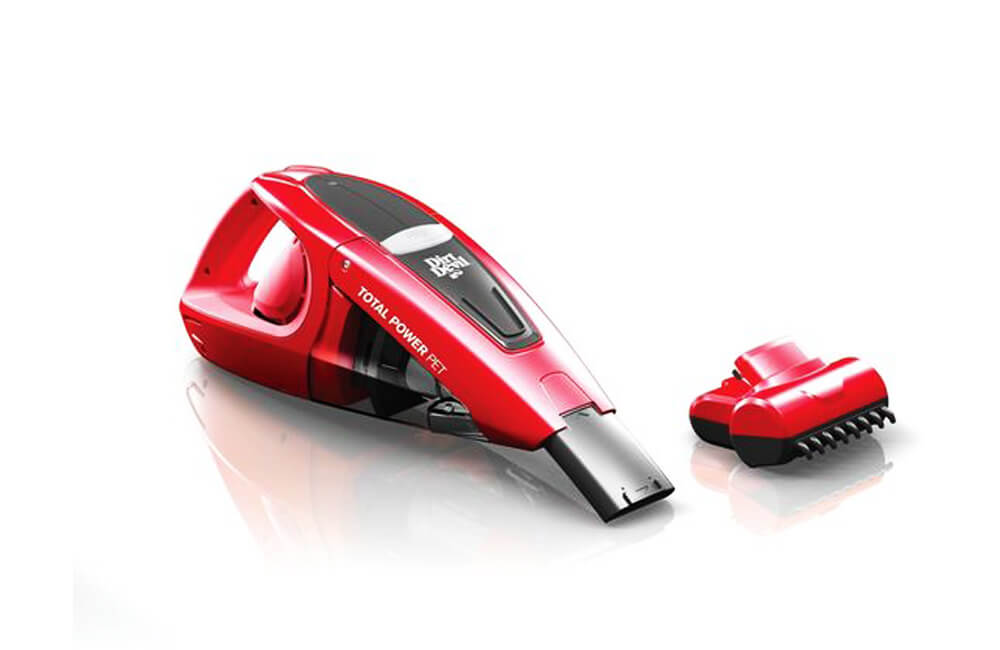
Dirt Devil vacuum cleaners have kept American homes clean for more than a century. Philip Geier of Cleveland, Ohio, created the sculpture in 1905. Since then, the product line has grown significantly, with over 25 million units sold globally. This is largely owing to the Cyclone system’s singularity. Although the corporation’s headquarters are still in North Carolina, Techtronic Industries, a Chinese multinational, owns the company. Dirt Devil just acquired Hoover, and the firm now owns both of these household appliance brands. The Hong Kong-based company has increased its investment in appliances!
Dirt Devil
Good Humor
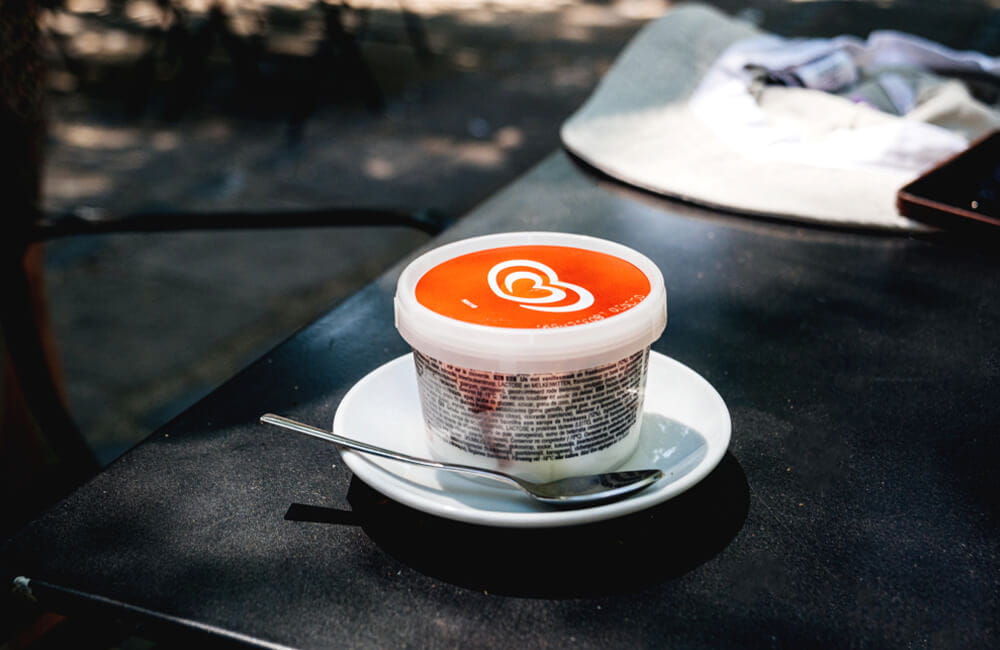
It goes without saying that baby boomers like Good Humor ice cream. For almost a century, this company has operated ice cream trucks. It became an instant hit when it was introduced to Ohio in the 1920s. Unilever’s Thomas J. Lipton purchased the company in 1961. It’s impossible to argue that Good Humor’s fortunes have improved since Lipton purchased the British-Dutch firm’s US operations. Since then, the company’s product line has grown to include an increasing number of items and has retained a loyal following among consumers across the country.
Good Humor
Popsicle
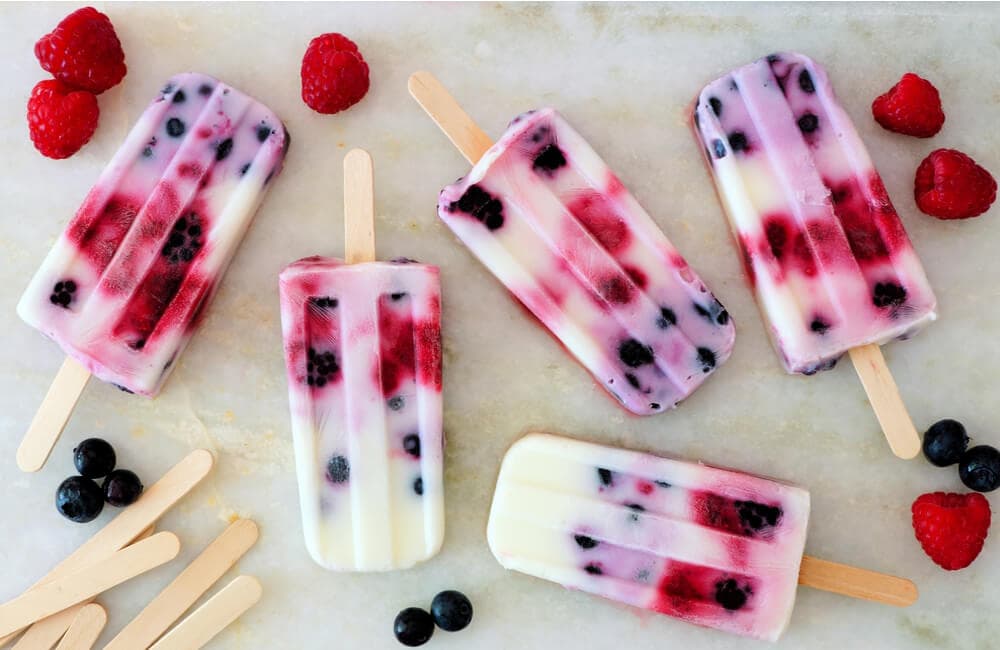
Wait till you discover this company’s incredible history! When an 11-year-old Oakland, California boy left his drink outside overnight with a stick in it, he devised the Popsicle recipe. When he returned to grab it, he saw that the water inside had frozen solid. When Francis Epperson was an adult, he made it public. Joe Lowe bought the rights to the song when it became an instant smash for him. After that, the man regretted his actions and acknowledged that he had deteriorated in the intervening years. Good Humor purchased the popsicle in 1989 while it was still a subsidiary of Unilever. As a result, it is now a subsidiary of the parent firm that owns the other brands, which is English-Dutch.
Popsicle
Purina
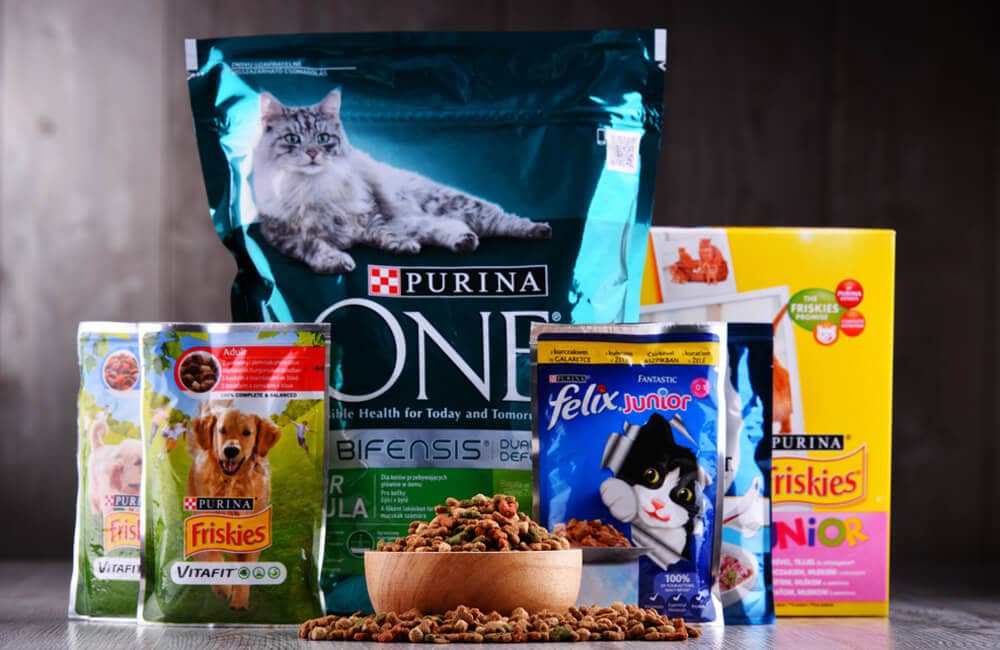
Purina began feeding farm animals in 1894 when George Robinson, William H. Danforth, and William Andrews founded the company. Their invention became a financial success by accident. Despite the fact that Nestle is better known for its food than its pet food, it purchased Purina in December 2011 for $10.3 billion. Purina and Friskies PetCare, the company’s pet food division, merged, prompting this decision. On the other hand, Purina is still a household name in the United States and worldwide.
Purina
Firestone
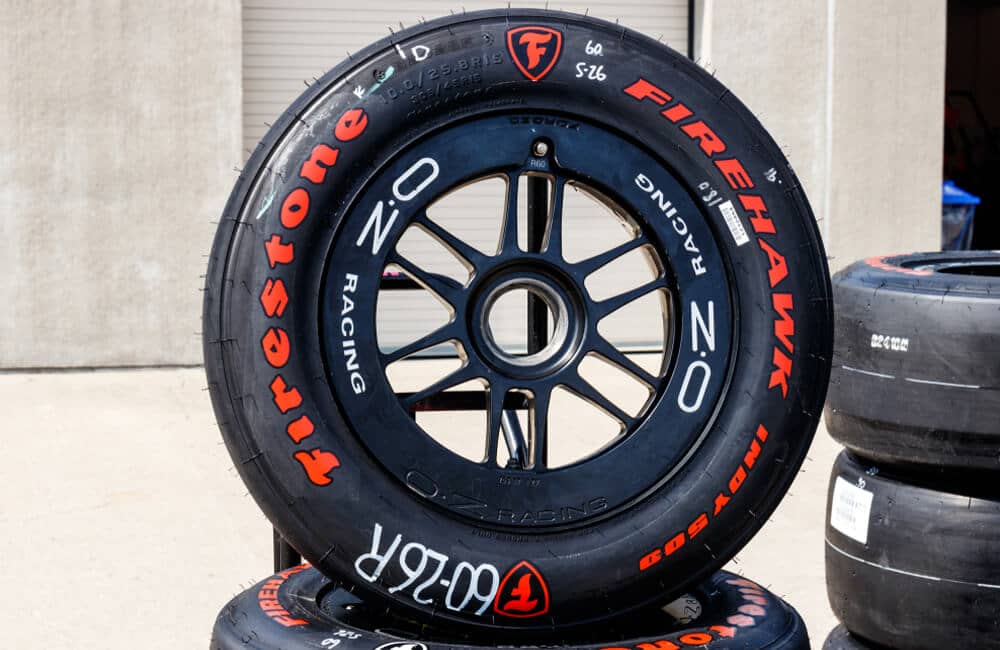
Firestone Tires jumped at collaborating with Pirelli, an Italian global corporation. However, the layout did not feel right. This was a major factor in Firestone’s decision to sell to a Japanese firm, Bridgestone Corp. The Japanese company paid $2.6 million, or $80 per share, for it. Bridgestone has ascended to become the country’s second-largest tire maker due to this action. “The Bridgestone offer advances our goal of increasing shareholder value while also significantly improving job security and development opportunities for the men and women employed by Firestone’s current operations,” a Firestone spokesman told the Los Angeles Times.
Firestone
Gerber
Nestle announced a $5.5 billion acquisition of Gerber Products Company in 2007. As a result, the Swiss conglomerate currently dominates the infant feeding market. In this industry, you can make a lot of money. Daniel Frank Gerber’s wife started making baby food for their daughter Sally in 1927, and the firm was born. They had five new items on the market when he came up with the marketing idea. Since its humble beginnings in New Jersey, the company has come a long way.

Gerber